
Community Development
How we work: five steps from listening to lasting change
Shabebik does not arrive with a finished plan. The work starts with listening, and every stage after that is shared with the community it belongs to.
Published · Shabebik Association
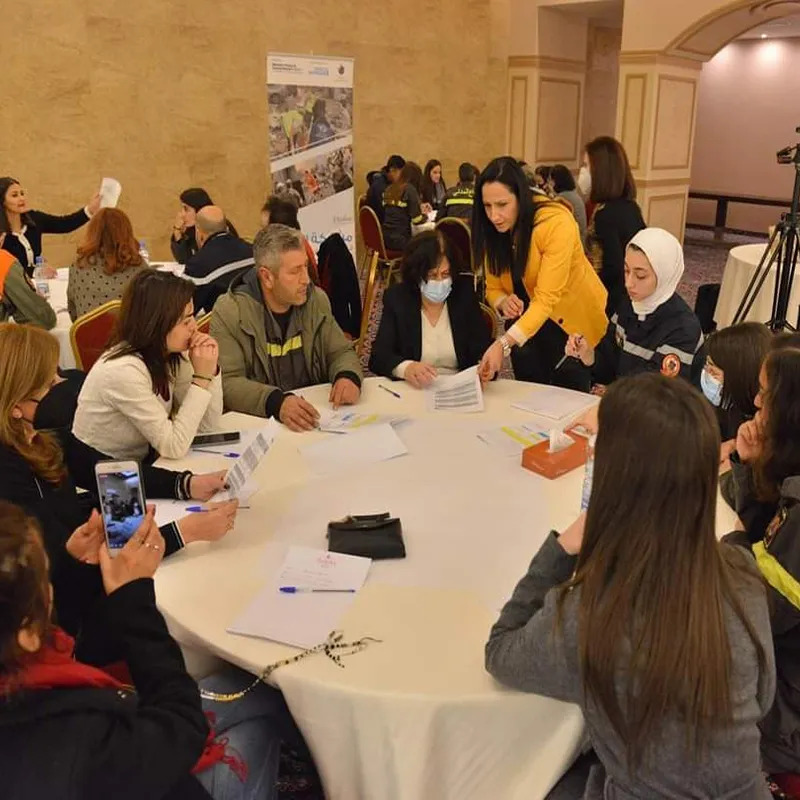
Every project we run passes through the same five stages. They are deliberately simple, because the hardest part is not the method — it is holding to it when a deadline is close and it would be faster to decide on someone’s behalf.
1. Listen to priorities
We begin by asking, not proposing. A neighbourhood knows which problem is costing it the most, and that answer is rarely the one written in a funding brief. Listening first is what keeps the rest of the work honest.
2. Co-design with the community
A plan built with people survives contact with reality far better than a plan built for them. Co-design means the people affected shape the response, including the parts that make it harder for us to deliver.
3. Build local capability
If a programme collapses the moment we step back, it was never finished. We invest in the skills, relationships and local leadership that let the work continue without us.
4. Deliver through clear partnerships
We are explicit about who is responsible for what, and we say so publicly. Clear partnerships protect the community from the confusion that follows when several organisations arrive at once.
5. Measure, learn, and improve
We track what changed, publish what we learn, and adjust. Some of what we try does not work; saying so is how the next attempt gets better.
This is the approach behind every initiative on our Our Work page — from economic inclusion to humanitarian response. If you would like to work with us on any of it, get in touch.